Eight boards, one hull family, a handful of real differences. Here's what actually matters when you're picking one.
Eight boards, and most of the difference comes down to who rides it, how hard you ride, and whether you want fuel or a battery. Answer these and we'll point at the one to look at first — then read the rest of this page to check we're right.
Every board discussed below, easiest to most advanced. Full specs and prices on the boards page.
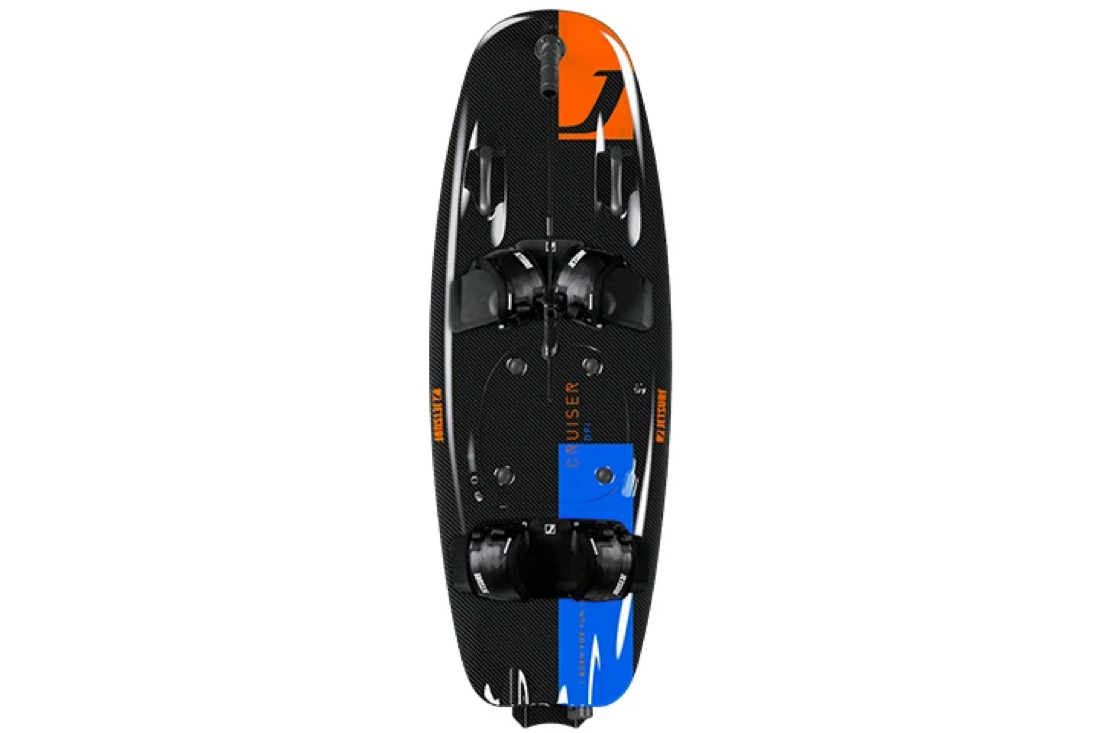
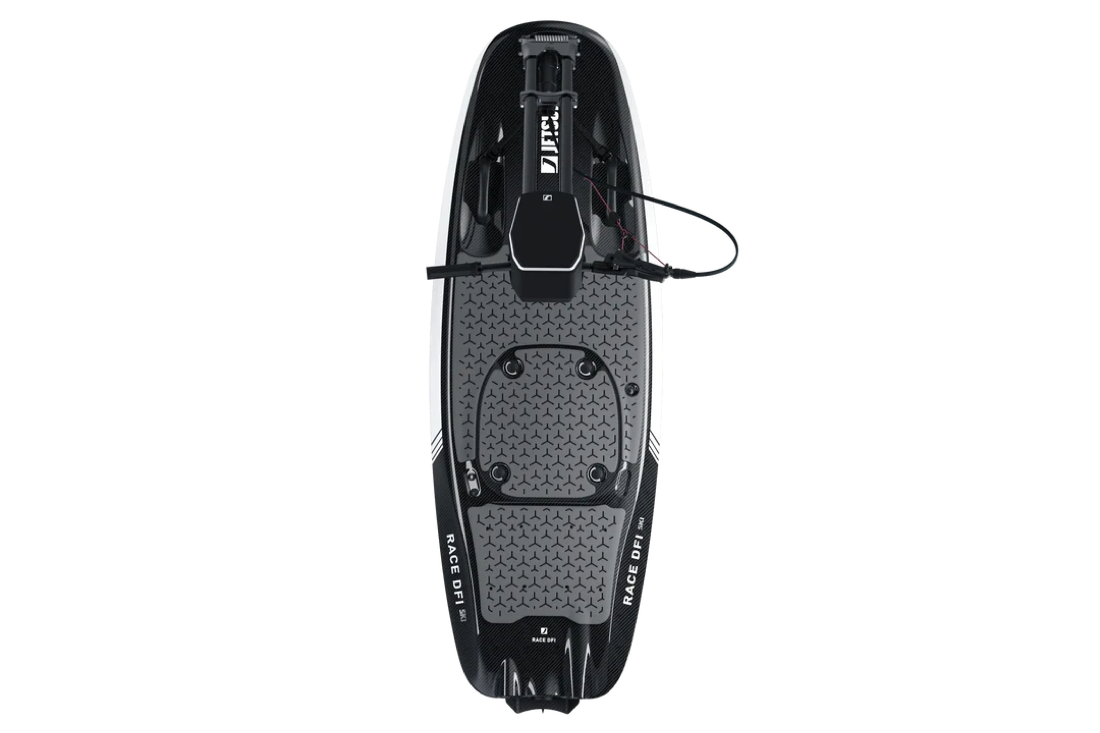
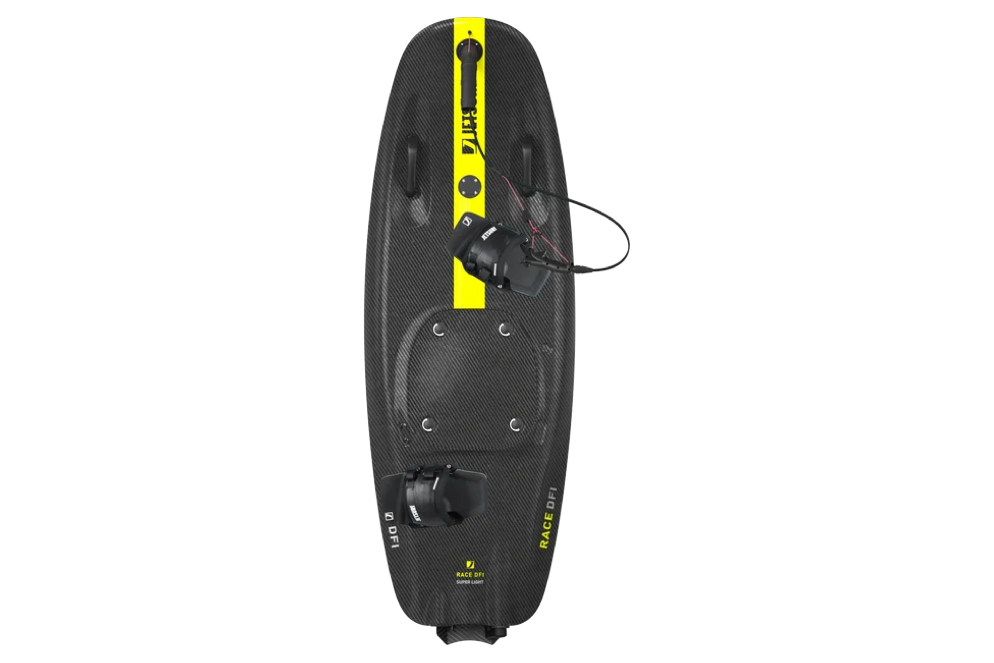
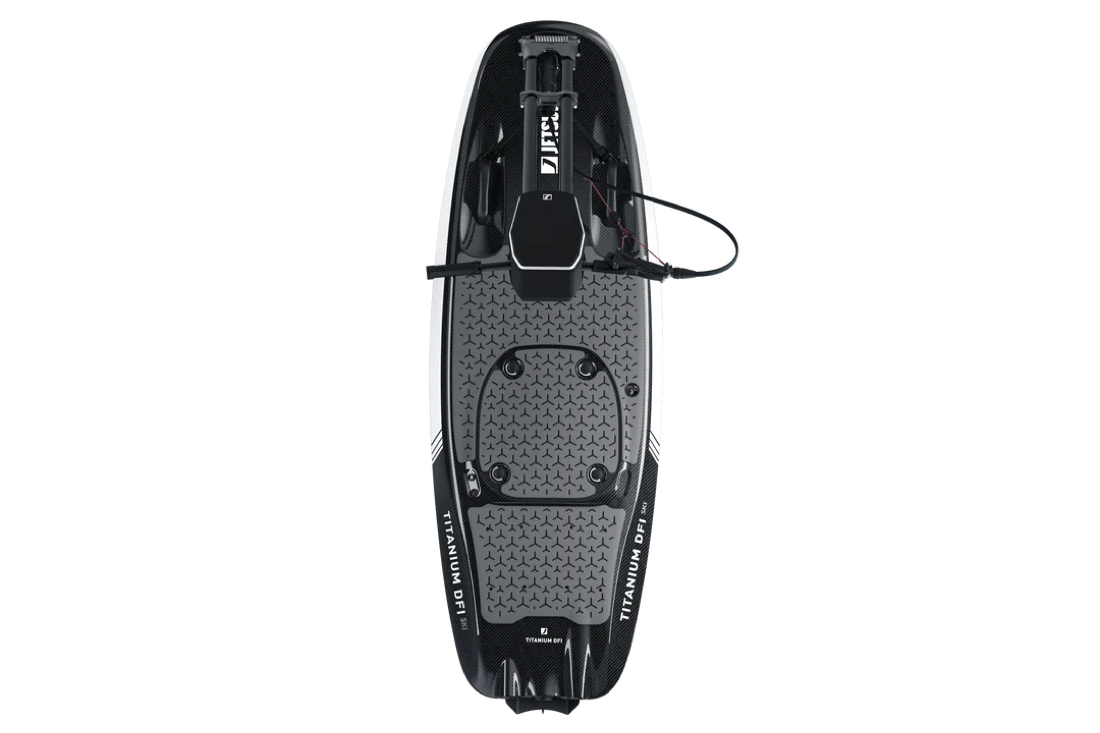
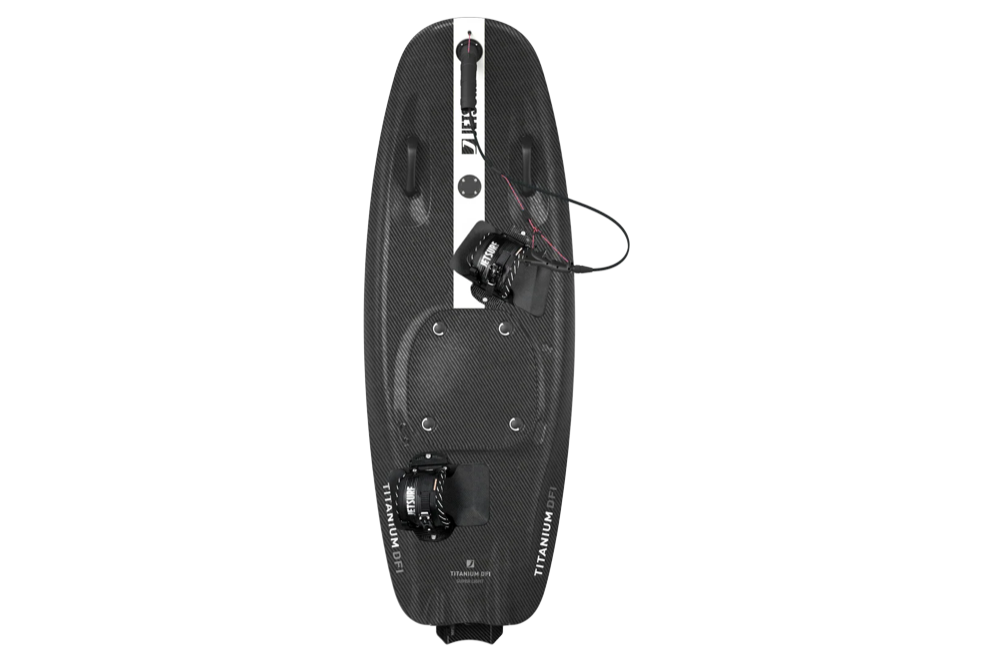
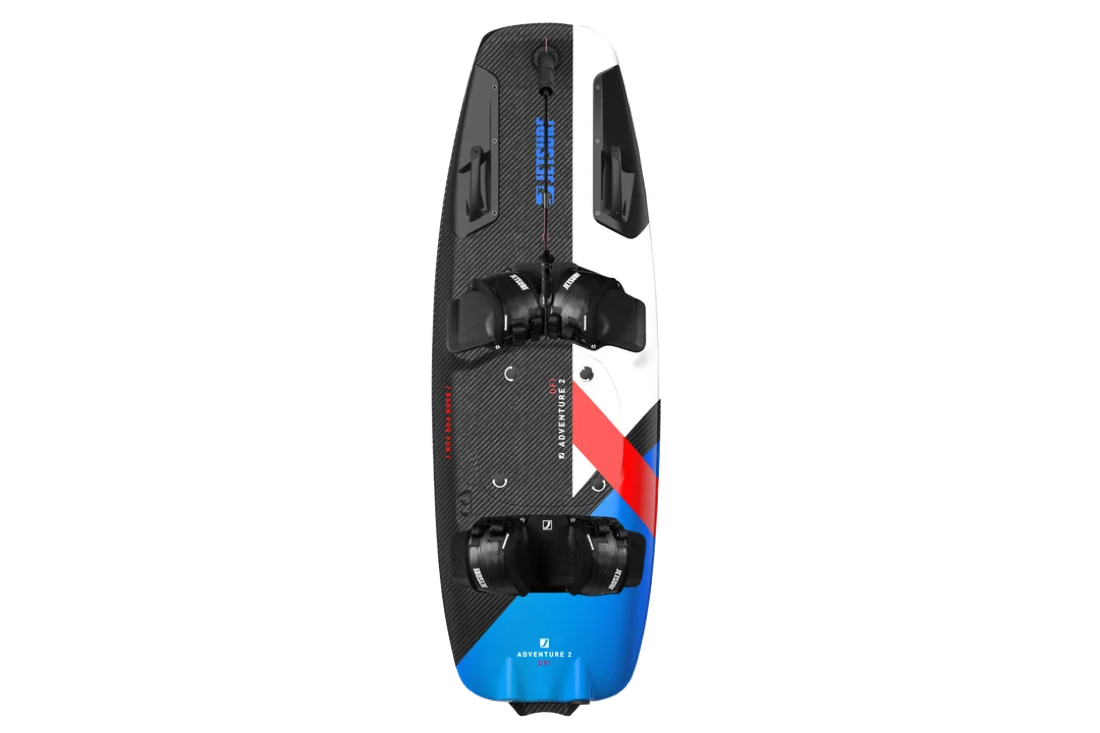
Every JETSURF shares the same basic idea — a carbon hull, a small two-stroke or electric motor, and a jet pump instead of a prop. What actually separates the eight current boards is power source, hull shape, and whether you're standing free or holding a handlebar. Top speed is the number everyone asks about first, but it's rarely the number that should decide it.
The DFI (digital fuel injection) boards run on a small two-stroke engine and a 0.74-gallon tank — about 60 minutes on the water, refuel in a couple of minutes, and go again. Because the fuel tank and iCU can be removed, a gas board can also be flown as checked luggage with the right prep — see our flying with your board guide — which matters if you're travelling to ride.
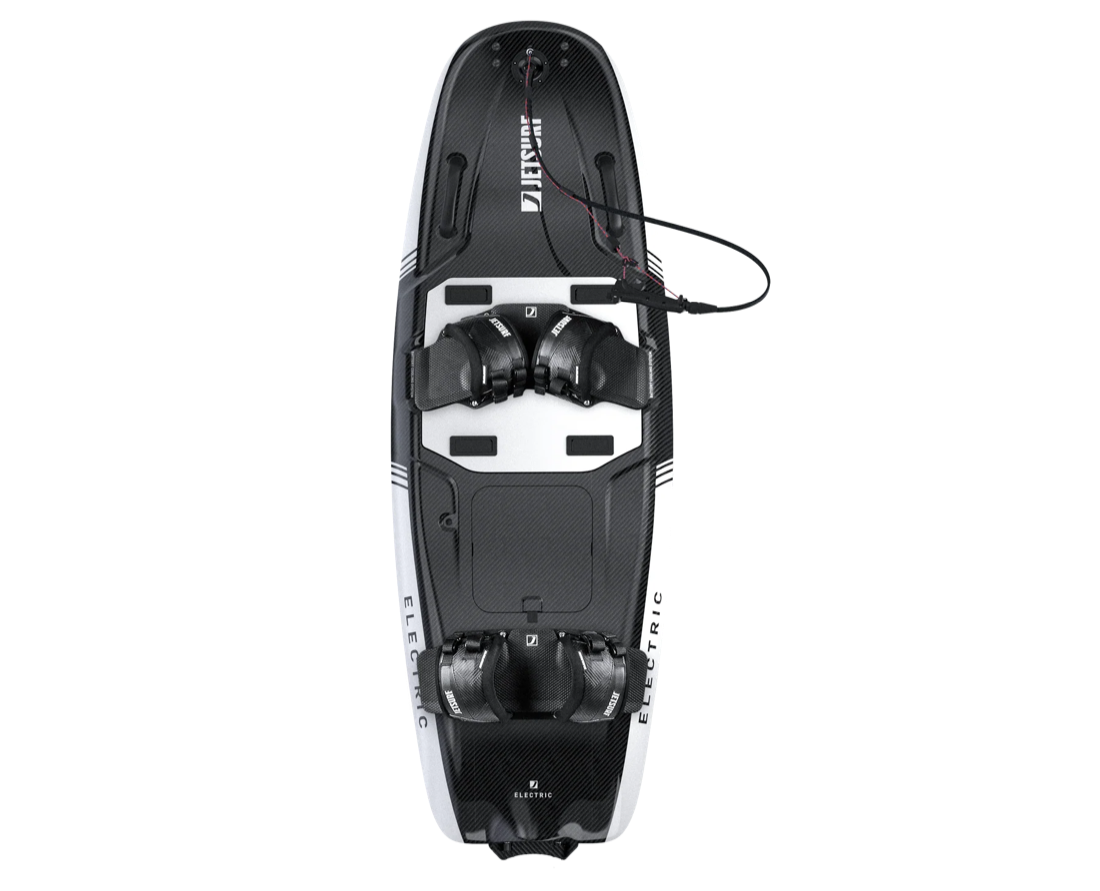
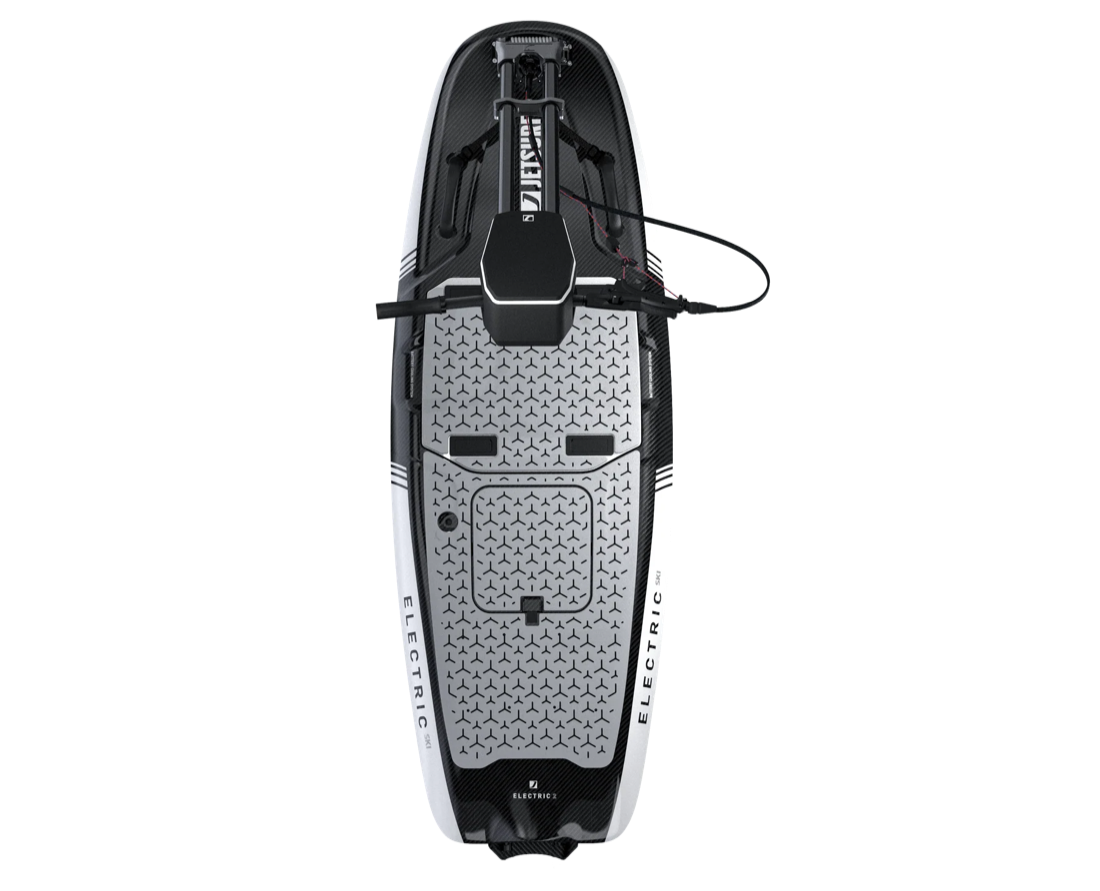
The Electric 2 and Electric 2 Ski swap the engine and tank for a battery pack — quieter, no fuel smell, nothing to mix or spill. Expect 25–55 minutes per charge depending on how hard you ride, and a 2.5-hour full recharge. They're heavier than the gas boards because of the battery, and you're tied to wherever you can plug in. If you're riding all day from a dock or a lake house, that's a non-issue; if you're chasing spots or flying to ride, gas is the more flexible choice.
The lineup is built as a ladder, not eight unrelated boards:
The full spec comparison — top speed, weight, range, and every checkbox — is on the boards page.
Three boards in the range — Titanium DFI Ski, Race DFI Ski, and Electric 2 Ski — add a padded deck and a handlebar to the same hull and motor as their stand-up sibling. It's not a beginner-vs-advanced choice; it's a balance preference. Some riders, especially newer ones or kids stepping up from a Tube, find a handlebar easier to control while they build confidence. Others prefer having both hands free. If you're unsure, the stand-up version is easier to demo first.
Dual bindings means the board is set up for both regular and goofy stance at once — so if you're sharing it with someone who rides the opposite stance, they just get on and go, no swapping pads first. That's the Adventure 2 DFI, Cruiser DFI, or Electric 2. The Race and Titanium boards are single-binding, set up for one stance only. Every board in the range is also compatible with the JETSURF Tube, a useful add-on for kids or anyone learning balance before they try to stand.
If competition is the goal, you want a UIM-certified board — currently the Race DFI SL, Titanium DFI SL, and Titanium DFI Ski. The Titanium DFI SL is the UIM's exclusive board for MotoSurf World Cup events. See our racing page for the series itself and how to get on a start line.
Compare every spec side by side, or talk to us about a demo, a used board, or getting on the water with the club.