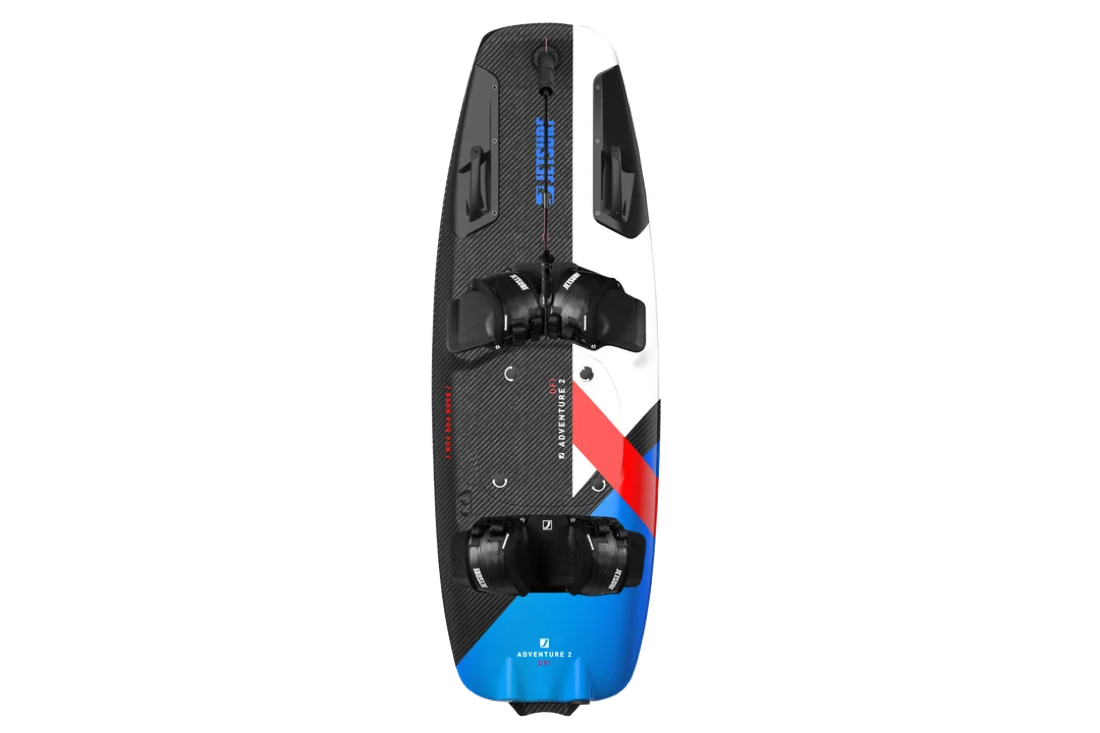
Digital fuel injection
Adventure 2 DFI
The easiest gas board to learn on — stable hull, forgiving power.
Where jetsurf riders learn to keep their boards running. Step-by-step maintenance tutorials for the whole machine — cleaning and storage through to a full engine rebuild.
A rider who services their own board rides more and breaks down less. Each guide leads with a video walkthrough, then written steps you can follow on the workbench.
Rinsing salt, drying down, winterizing, and putting the board away right.
Spark plugs, carburettor, cooling checks, exhaust, DFI service, engine rebuilds.
Battery and charger care, ICU, cleaning, get-ready and storage routines.
Fins, pads, bindings, leg rope, tubes, and the pre-ride six-point check.
JETSURF boards are carbon-hulled, digital-fuel-injection or electric powered, and hand-built for racing. Knowing how they're put together makes every service job easier — here's the current range.
New to the lineup? Read how to choose your board →
The easiest gas board to learn on — stable hull, forgiving power.
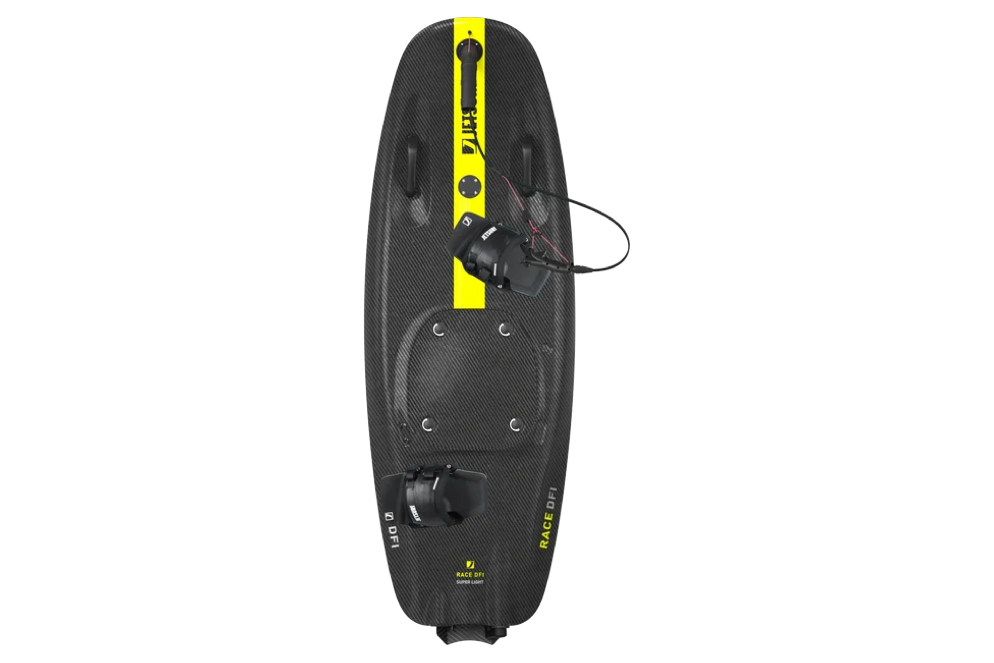
Stripped-weight race build — minimum mass, maximum output.
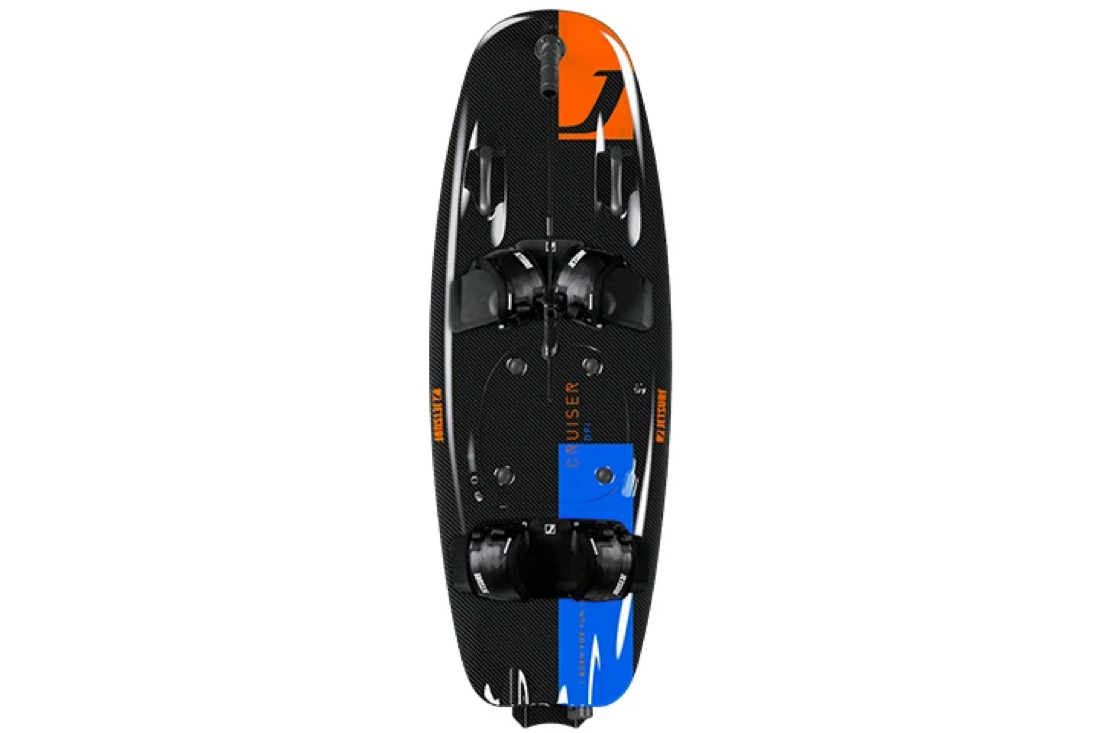
A wider, higher-volume deck for relaxed cruising and heavier riders.
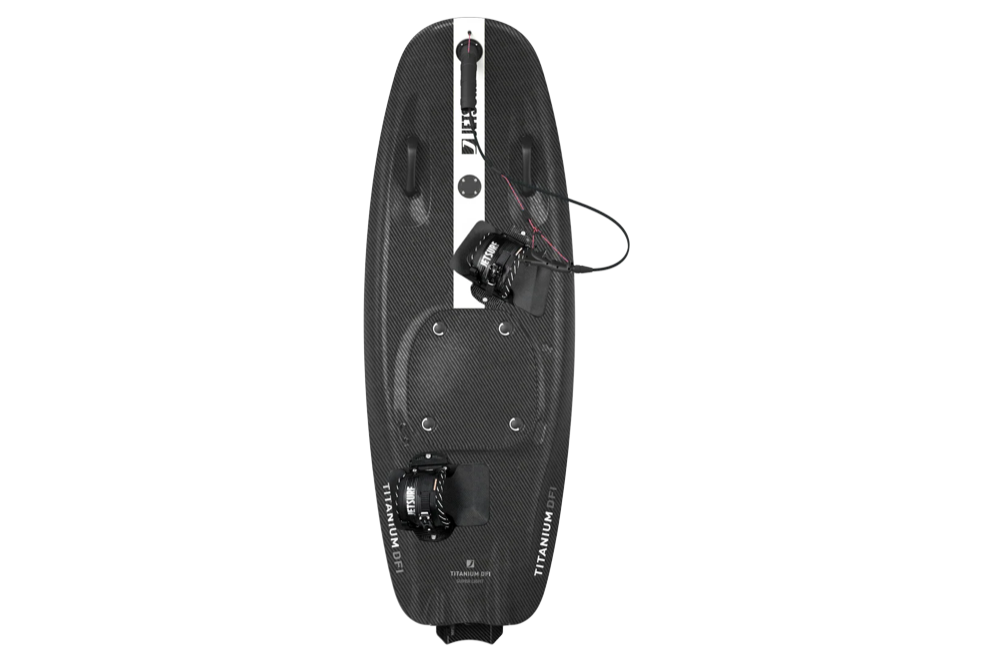
The gas flagship — full carbon layup, stripped to the lightest stand-up build.
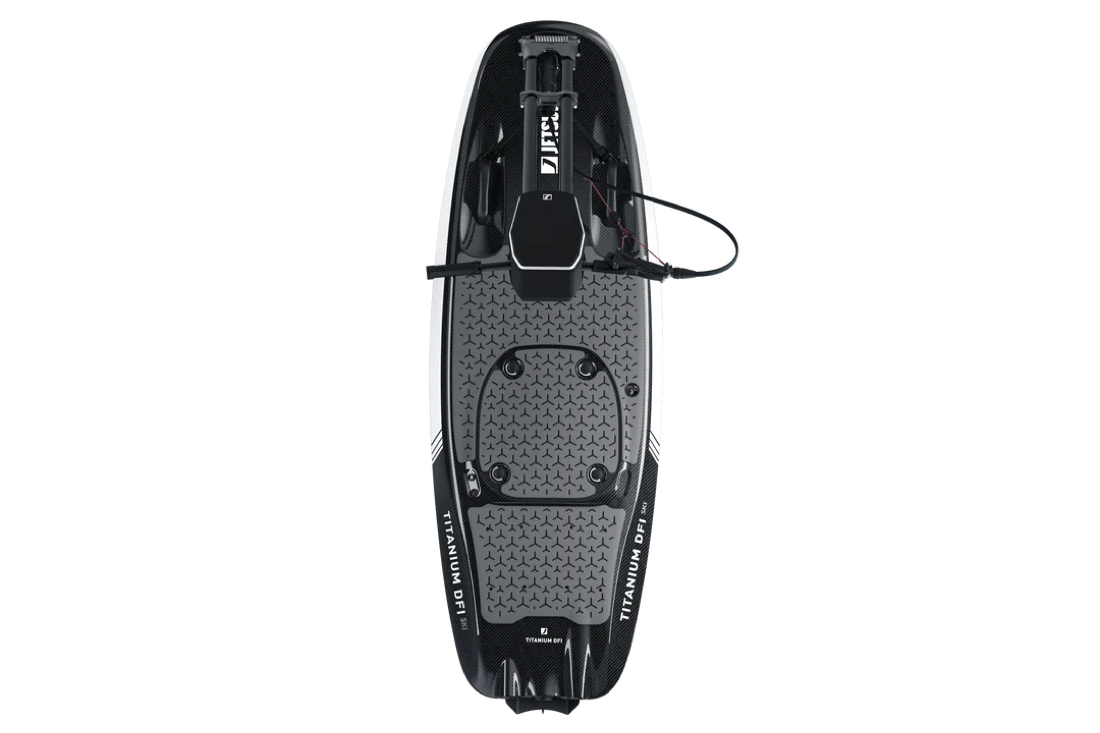
100cc DFI with a titanium exhaust — a padded deck and a handlebar.
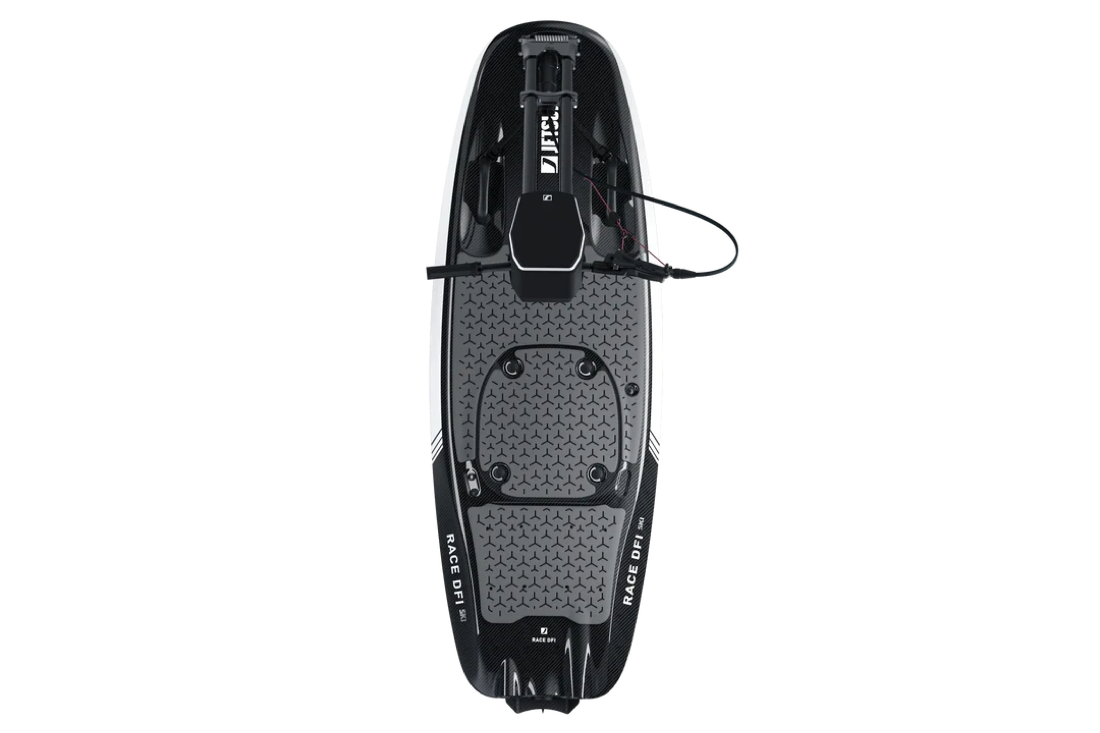
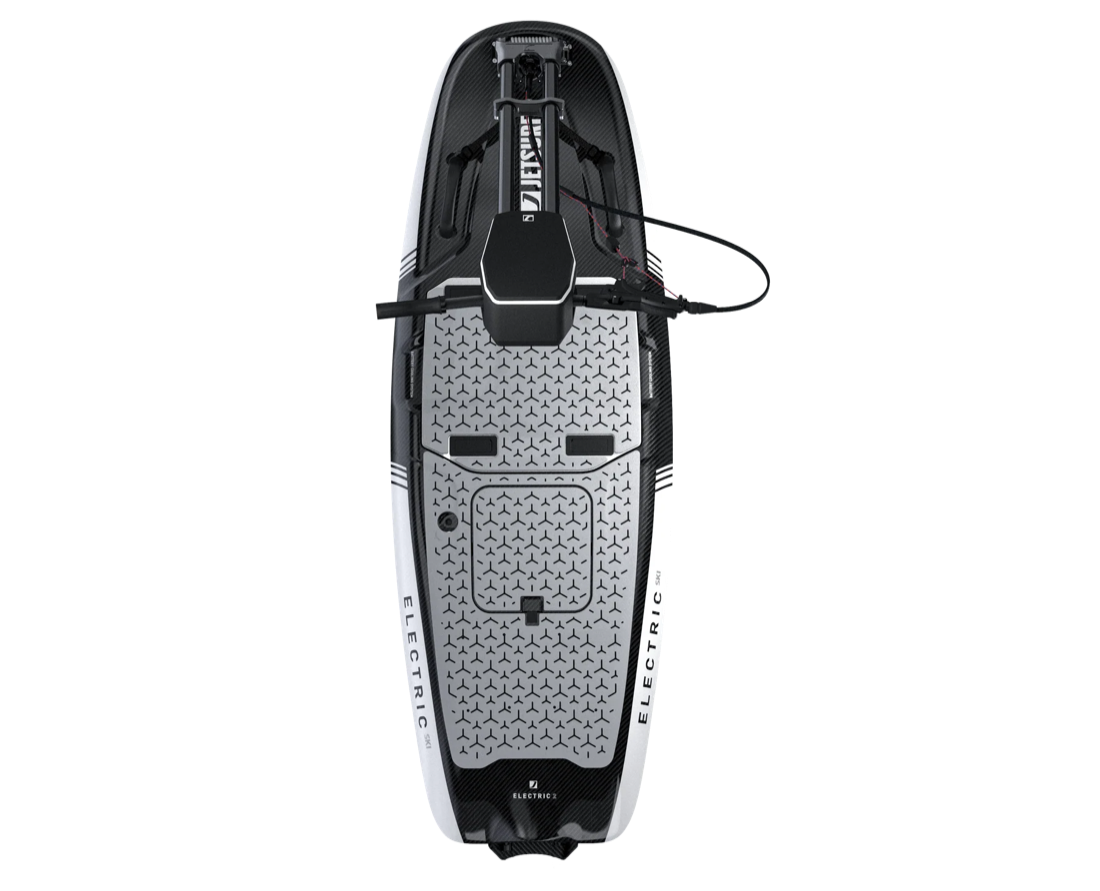
Silent electric drive with a padded deck, a handlebar, and a swappable battery.
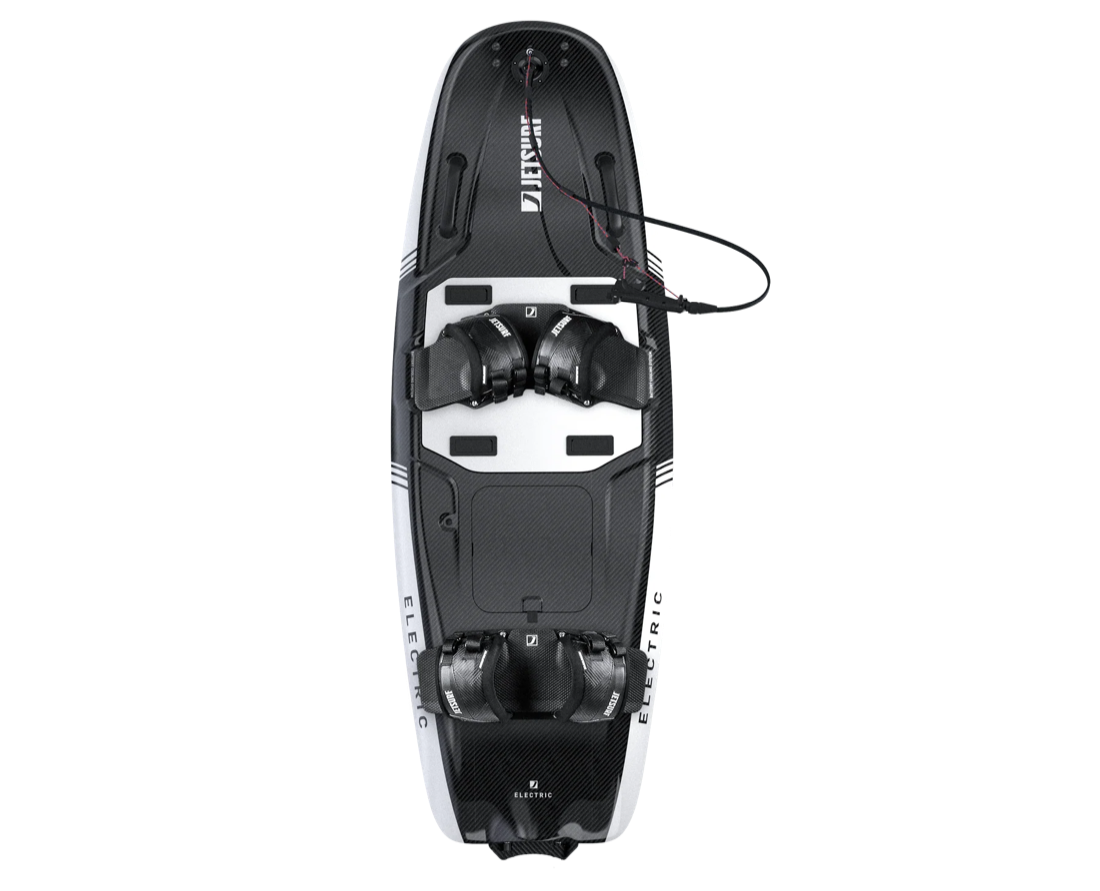
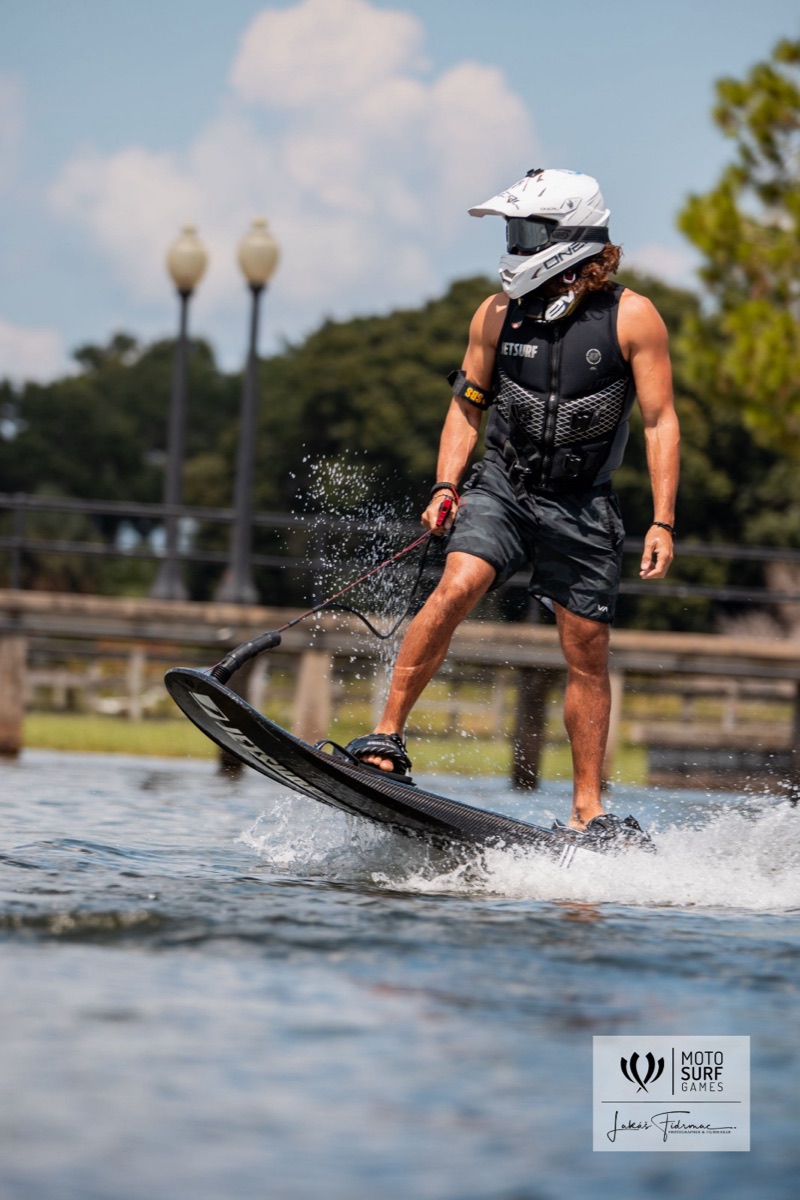
The same boards you ride and maintain here are what the pros race. The MotoSurf World Cup is the international championship for motorized surfboards — multiple rounds across Europe and beyond, with heats, a slalom, and an endurance race.